




BOXING & COMBAT
LEARN TO ACTUALLY FIGHT.
A dedicated boxing and striking area on a private floor — not a token speed bag in the corner. Trinity's combat-sport trainers train boxers, Muay Thai practitioners, and fight-conditioning clients who want capacity that holds up under round-pace pressure. Want to compete? Your trainer builds the camp and gets you on a local amateur card when you're ready.
Who it's for
Built for the people who actually train.
- Amateur and professional fighters in training
- Beginners stepping into combat sport for the first time
- Conditioning clients who want to train like fighters without competing
- Combat-sport athletes building offseason strength
What to expect
Training, programmed.
Real pad time
Dedicated striking area. Footwork, mitts, pad work, bag rounds, sparring drills — structured, not freestyled.
Fight conditioning, programmed
Round-based intervals, anaerobic capacity work, sprint repeats, complex circuits — the work that lets you hold output through the late rounds.
Strength training that complements striking
Hip power, rotational force, posterior chain. Combat-sport S&C — built around the punch, the kick, the clinch.
Beginner-friendly + competition-ready
Trainers scale from "never thrown a punch" to "training for a card." No gatekeeping. Everyone gets trained.
Camp-ready when you are
Want to compete? Your trainer builds the camp — pad work, sparring, conditioning, weight management — and connects you with local amateur cards when you're ready.
How boxing is coached here
Boxing at Trinity is coached one-on-one or in small groups, never as a bag-hitting cardio class. Your trainer builds from stance and footwork to the basic punches on the mitts, then to combinations, defense and movement, then to rounds on the heavy bag with real structure — three-minute rounds, one-minute rest, a plan for each round. Strength and conditioning for fighters is programmed alongside on The Floor and The Turf, because a boxer who cannot squat or sprint has a ceiling.
The first four weeks
Expect mitts every session and a lot of footwork. The first block is stance, guard, the jab and the cross, and learning to move without crossing your feet — it is humbling and it is where every good fighter started. By week three or four you are putting combinations together on the pads and running structured bag rounds. Conditioning ramps with it: rope, shadow boxing and Turf work that makes the rounds feel shorter.
How progress is measured
Rounds you can complete at a real pace, clean combinations on the mitts at speed, defensive reactions your trainer no longer has to call out, and the conditioning numbers behind them. Fighters with a bout on the calendar get a camp: a start date, a weight plan, sparring arranged by the trainer, and a taper. Everyone else gets the same skill progression without the scale.
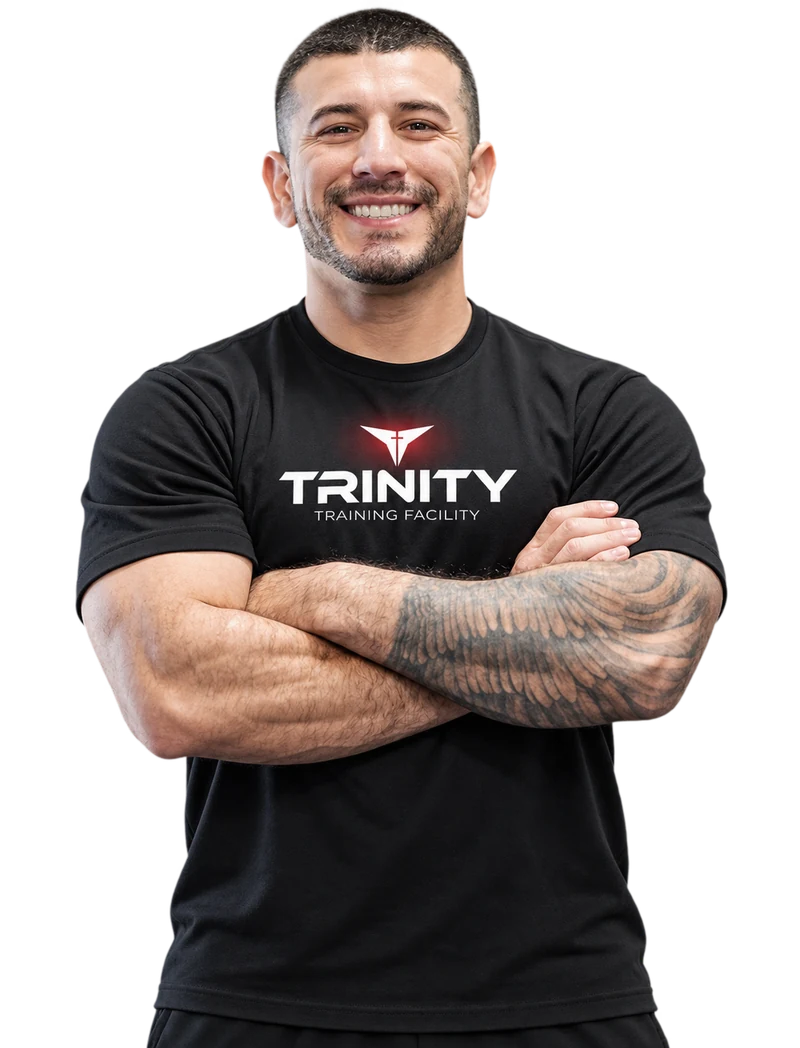
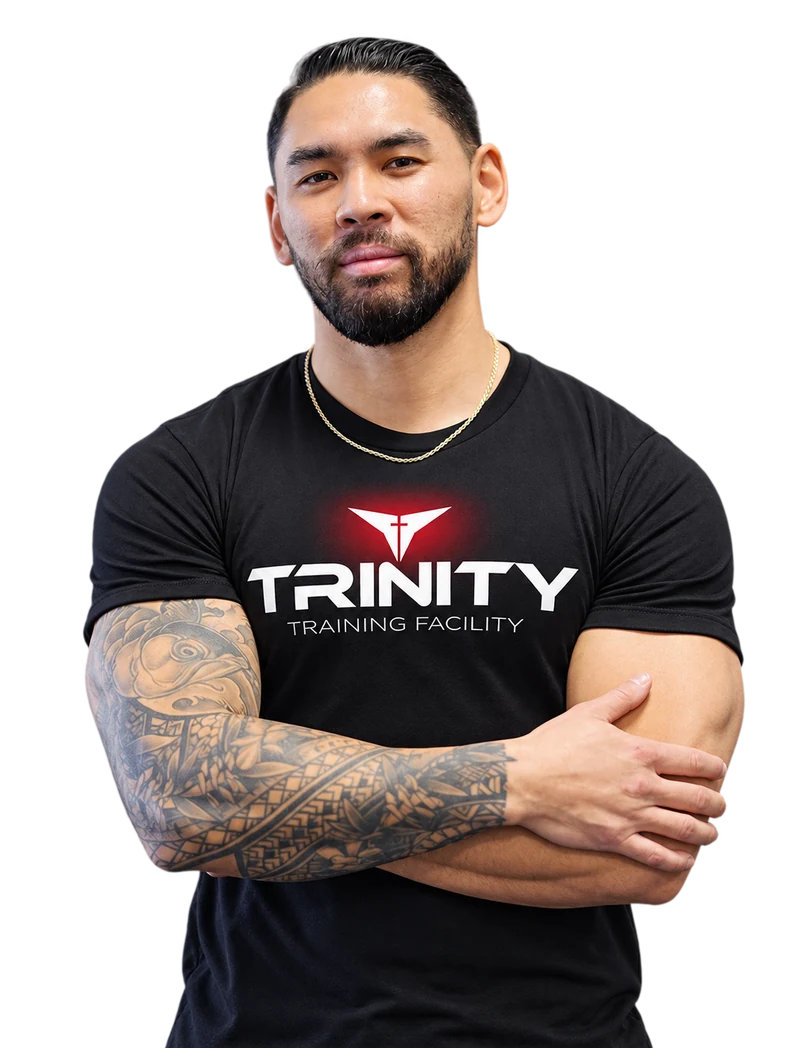
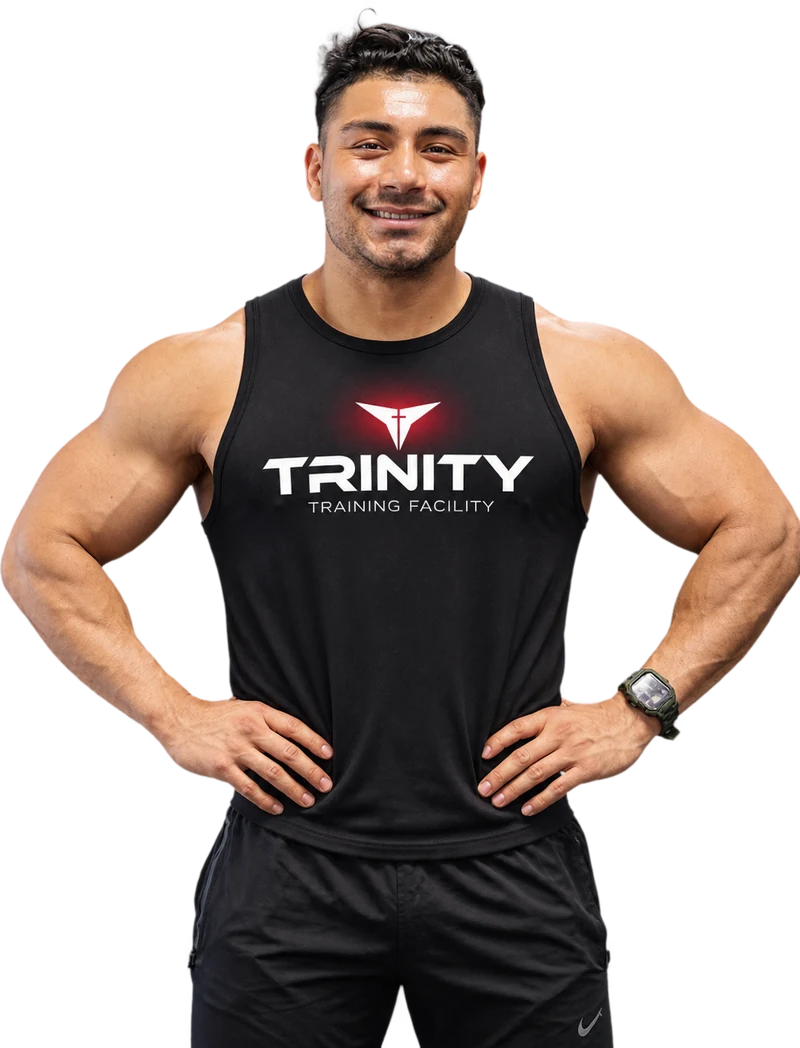
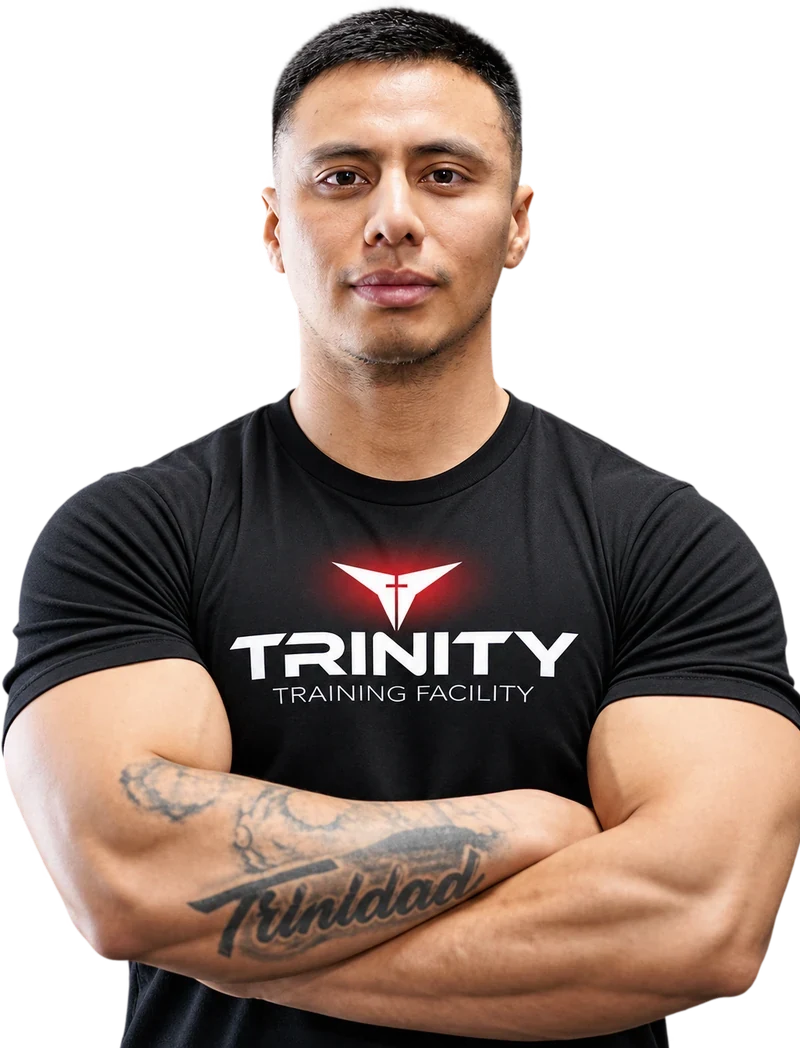
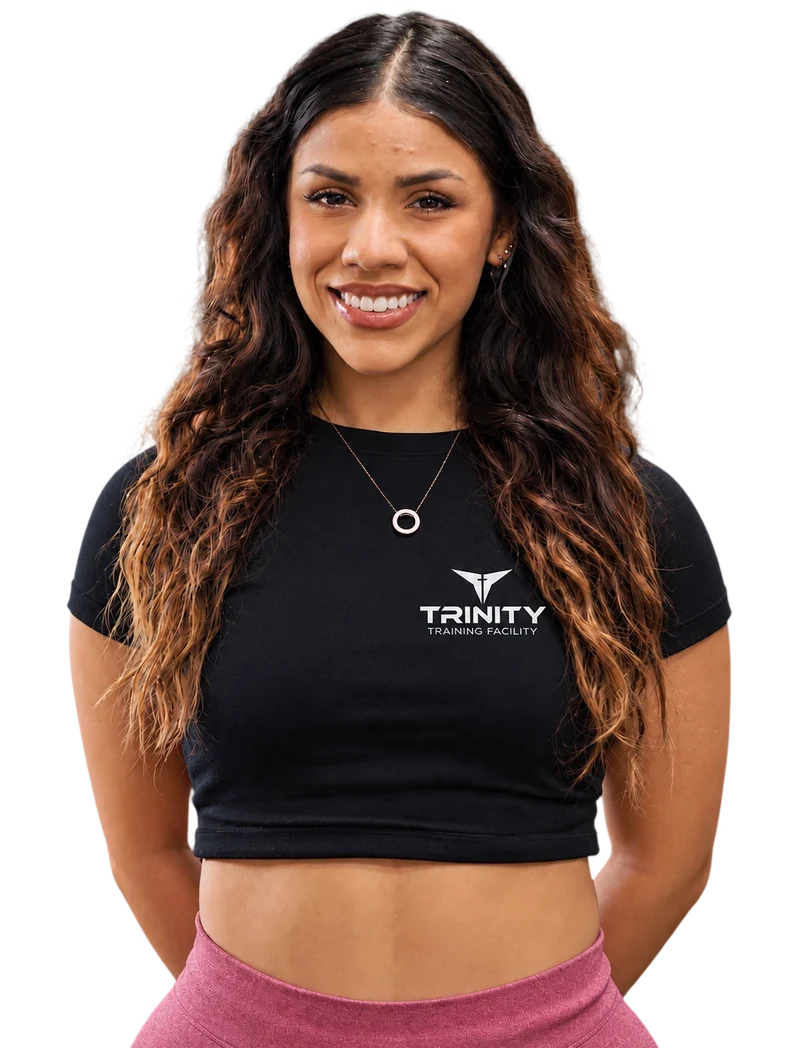
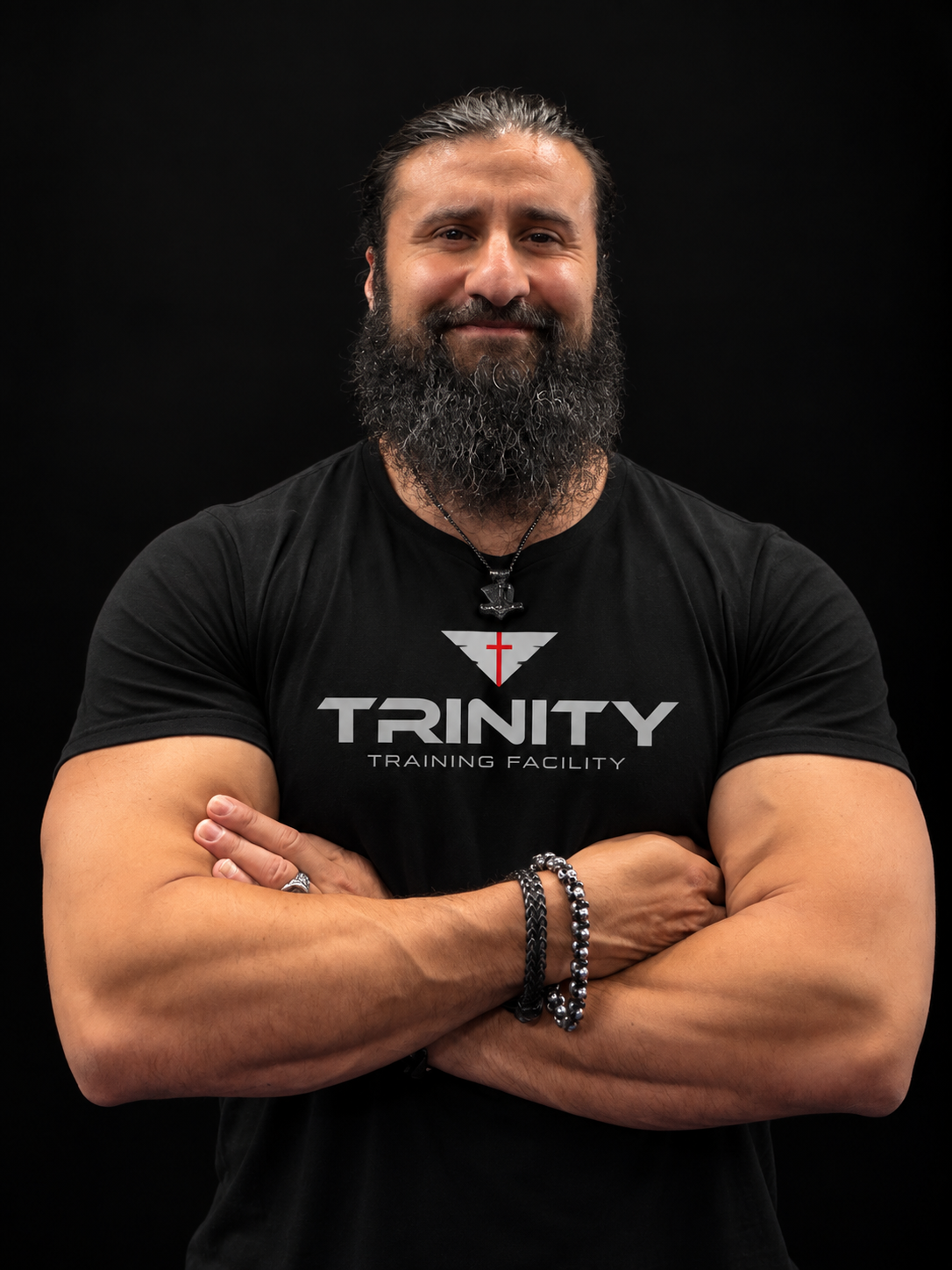
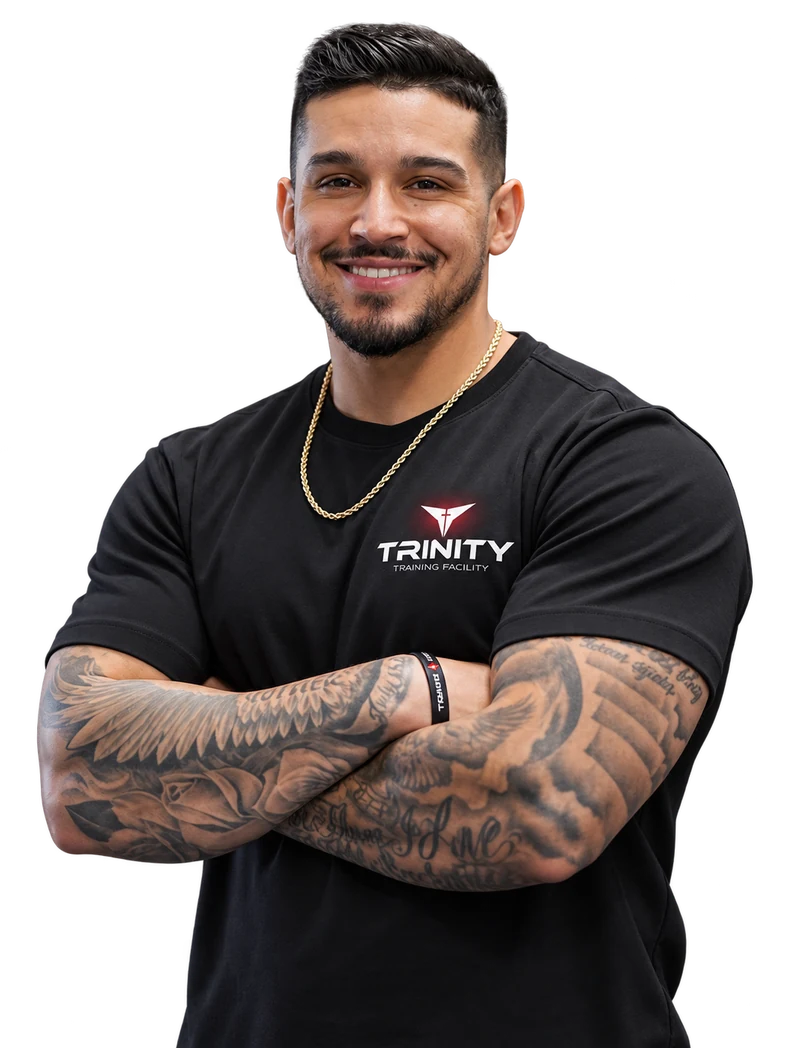
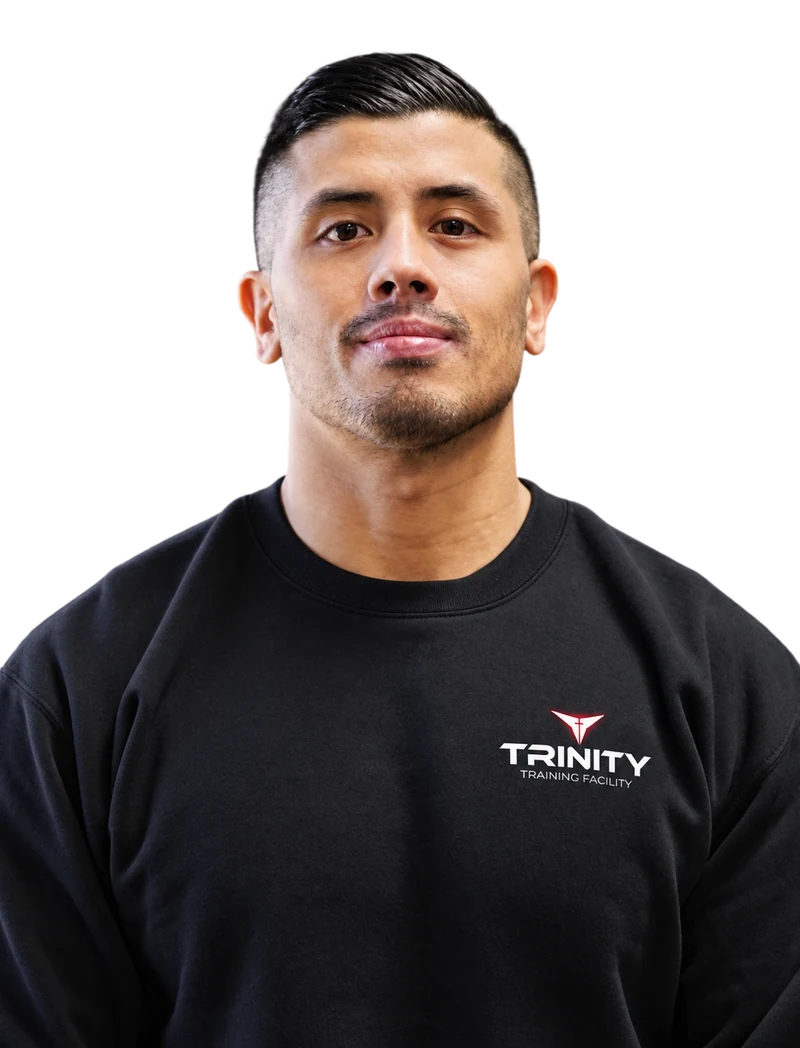
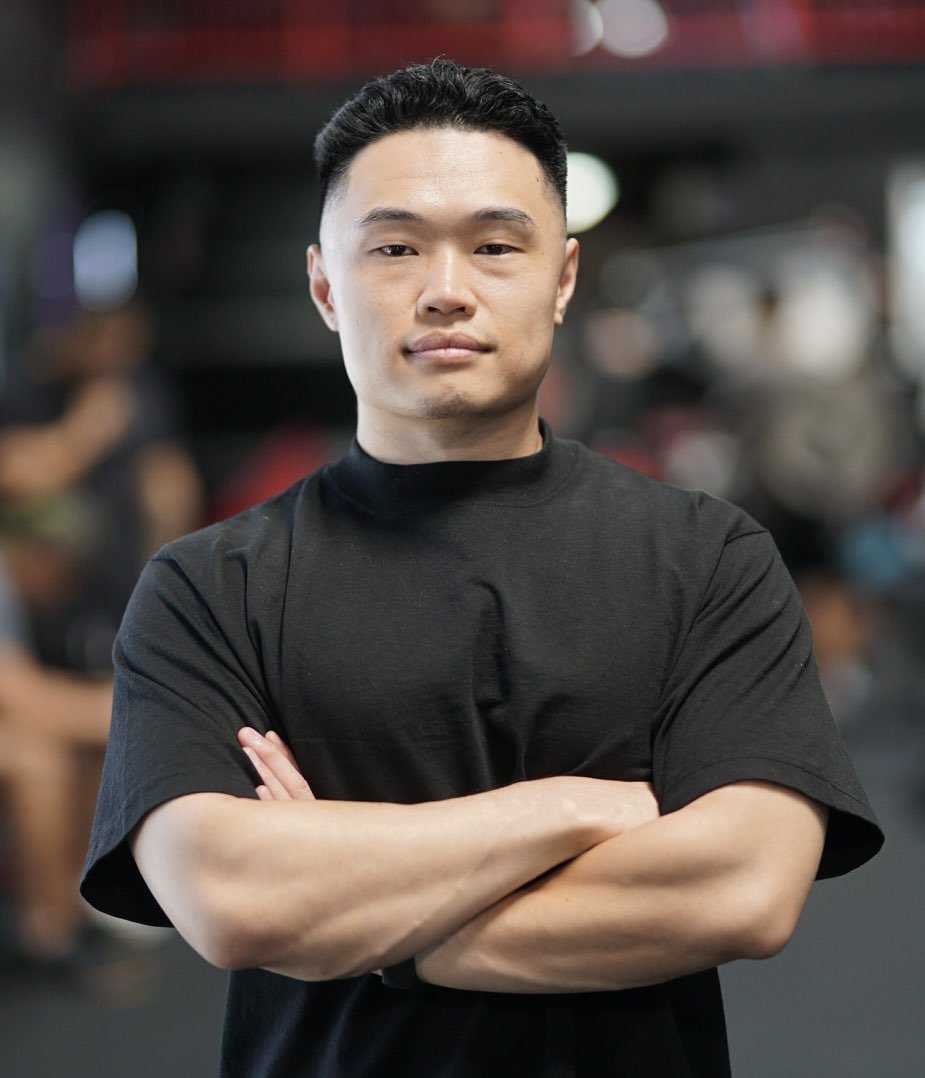
14 matched trainers
Boxing & Combat trainers
at Trinity.


Where they train
The Boxing Area.
Boxing & striking. Bags, mitts, and real work.
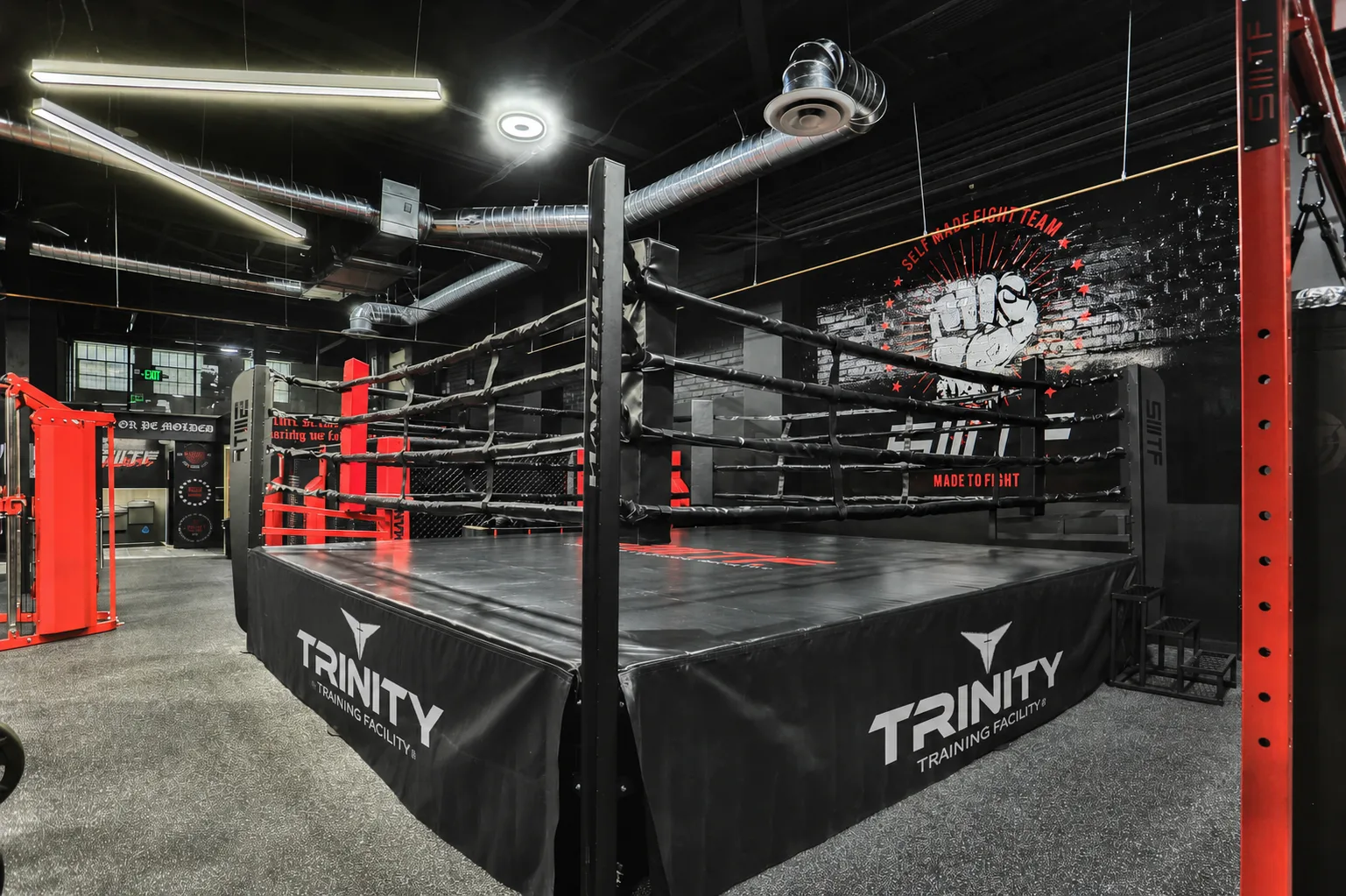
A dedicated boxing and striking zone inside the West Covina floor — heavy bags, mitt work, footwork space, and coaches who actually box. Whether you are conditioning for a fight or you just want cardio that hits back, this is where the striking work happens.
In the room
- Heavy bags
- Focus mitts + Thai pads (trainer-led)
- Open footwork and shadow-boxing space
- Jump ropes + conditioning tools
- Timers for round work
Related specialties
Also trained at Trinity.
Book your first session
Meet your boxing & combat trainer.
Drop your info. We'll match you with the right Trinity trainer for your goals and schedule your first session at our 7,000 sq ft West Covina facility.
-
01 Do I need to compete to train boxing at Trinity?
No. Most Trinity boxing clients never compete — they train because boxing is one of the best full-body conditioning protocols ever developed. You'll learn real technique either way.
-
02 Can I train for an amateur fight here?
Yes. Tell your trainer you want to compete and they'll put you on a camp: technique first, then sparring, then conditioning and weight management as the date gets close.
-
03 Do you do sparring?
Controlled sparring is available for clients who've earned it — trainer decides when you're ready, based on technique and control. Most clients hit pads and bags for months before any sparring conversation.
-
04 Can I do boxing for weight loss?
Yes. Boxing's conditioning demand is enormous — 30 minutes on the pads burns more than an hour on a treadmill for most people, and you actually enjoy it.
-
05 What gear do I need to start?
Hand wraps and gloves. Your trainer will tell you what to buy after the first session — there's no point spending money on equipment that doesn't fit your style yet.
-
06 Do you train Muay Thai or only boxing?
Both. Combat-sport trainers on the floor cover boxing, Muay Thai and fight conditioning — kicking, clinch and pad work included. Talk to your trainer about what you want to build.
-
07 Where is the boxing training done?
In The Boxing Area — Trinity's dedicated striking zone with heavy bags and mitt work — with conditioning on The Turf and strength on The Floor, all at 1705 W Garvey Ave N, West Covina.
-
08 Is boxing training at Trinity a class?
No. Every session is coached one-on-one or in a small group by a Trinity boxing trainer, booked by appointment. There are no drop-in classes.
-
09 Who are the Boxing & Combat trainers at Trinity Training West Covina?
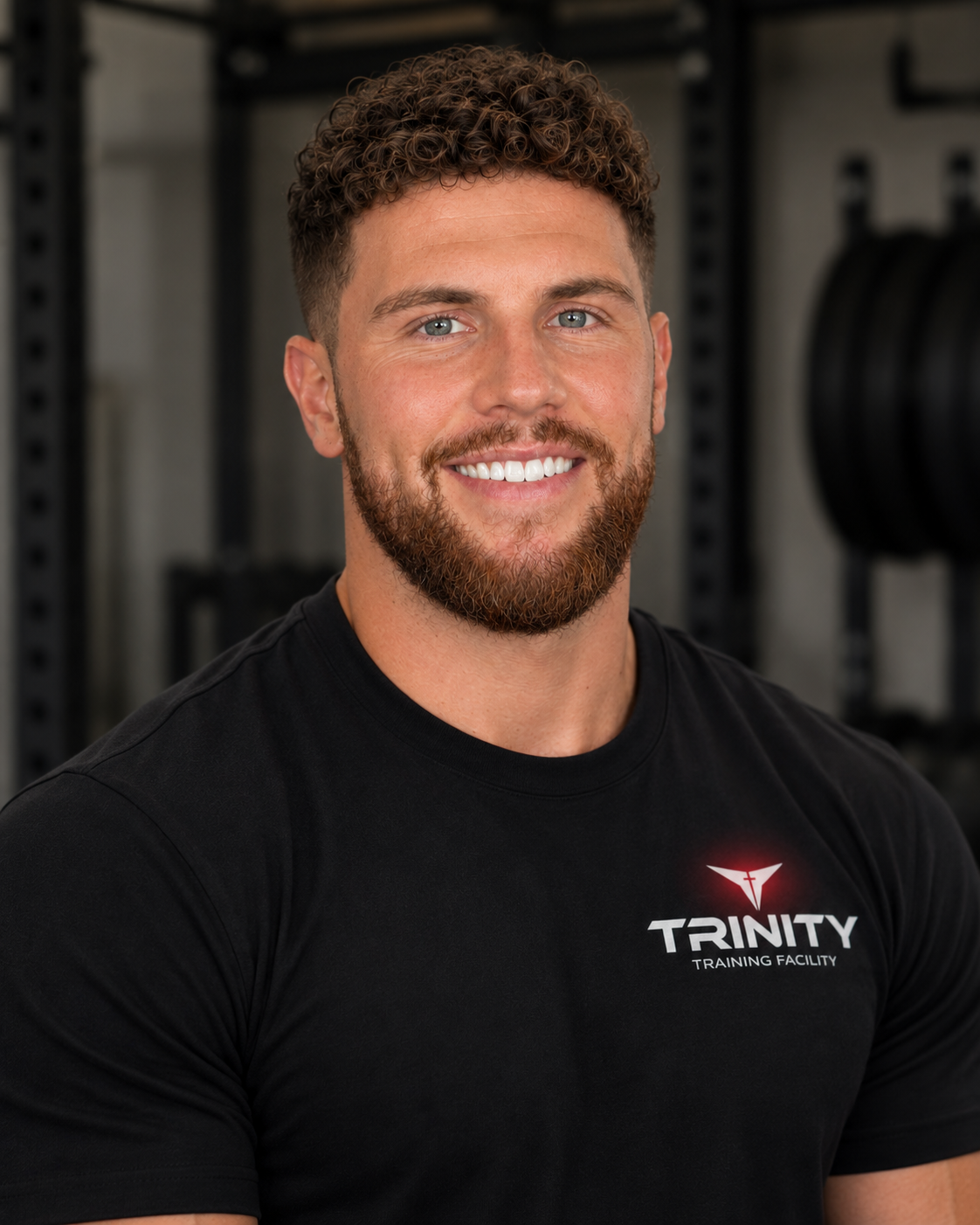
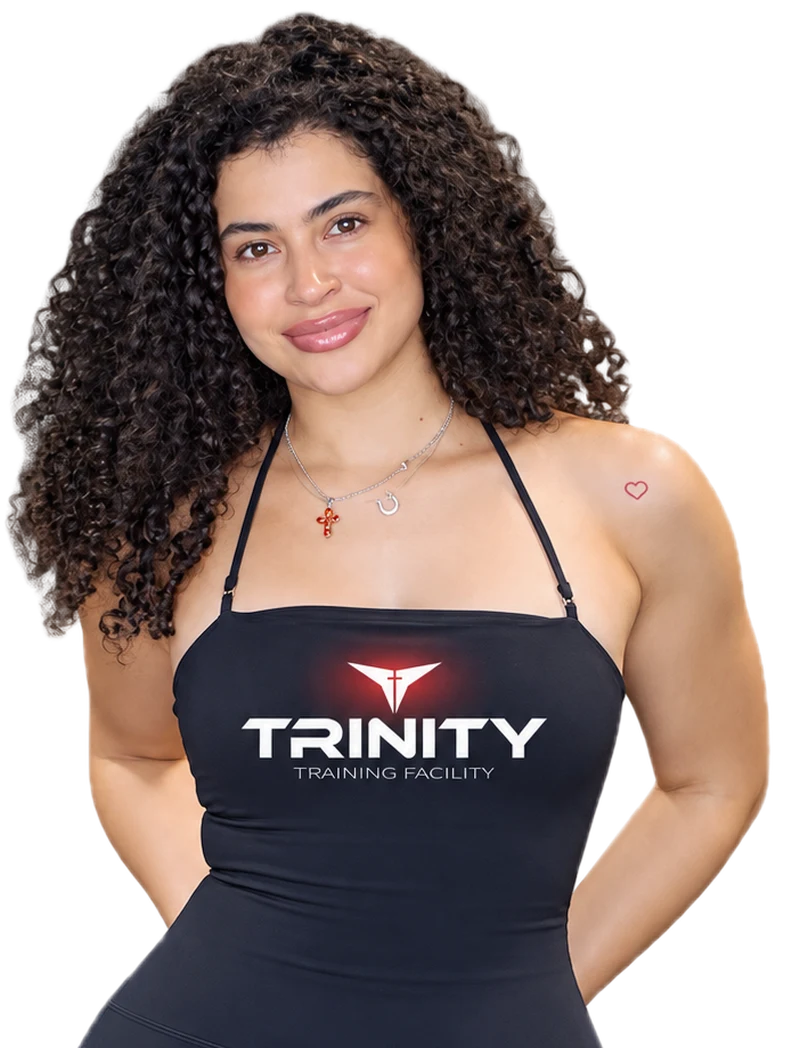
Trinity's Boxing & Combat trainers in West Covina are Robert Ramirez, Ryan Leong, Jose Valdivia, David calzada, Andrea Marin and Cristal Pulido — plus 8 more on the full roster. Each is an independent, certified trainer working out of Trinity's private facility at 1705 W Garvey Ave N; you book directly with the trainer you choose.
Trainers serving
Browse other specialties