MOBILITY & POST-REHAB
BACK TO FULL STRENGTH.
Coming back from injury or surgery isn't a question of whether to train — it's a question of how. Trinity's mobility and rehab-aware trainers bridge the gap between PT discharge and full strength training, with recovery written into every phase of the program.
Who it's for
Built for the people who actually train.
- Clients discharged from PT and ready for the next step
- Lifters managing chronic shoulder, hip, knee, or low-back issues
- Postpartum mothers rebuilding core and pelvic floor
- Adults wanting to move better, not just lift more
What to expect
Training, programmed.
Movement assessment first
Full screen, range-of-motion testing, asymmetry analysis. You'll know what's actually limiting you before anyone loads a barbell.
Corrective strength, not just stretching
Mobility you can't stabilize is just collapse. Trainers build strength through the ranges you need.
Coordination with your PT or doctor
Trainers communicate with your care team — share notes, sync timelines, respect contraindications. You don't have to translate between providers.
Recovery programmed, not sold
Deloads, mobility blocks, load management and sleep targets are written into the plan — recovery is part of the program, not an add-on you buy at the desk.
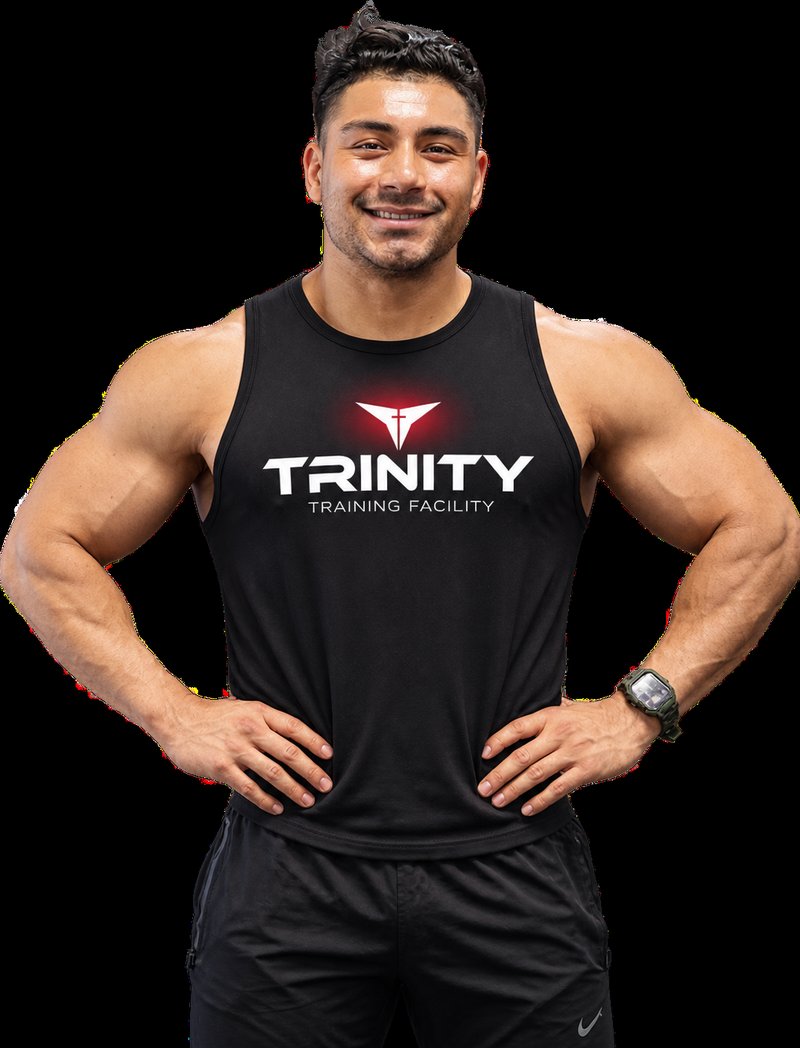
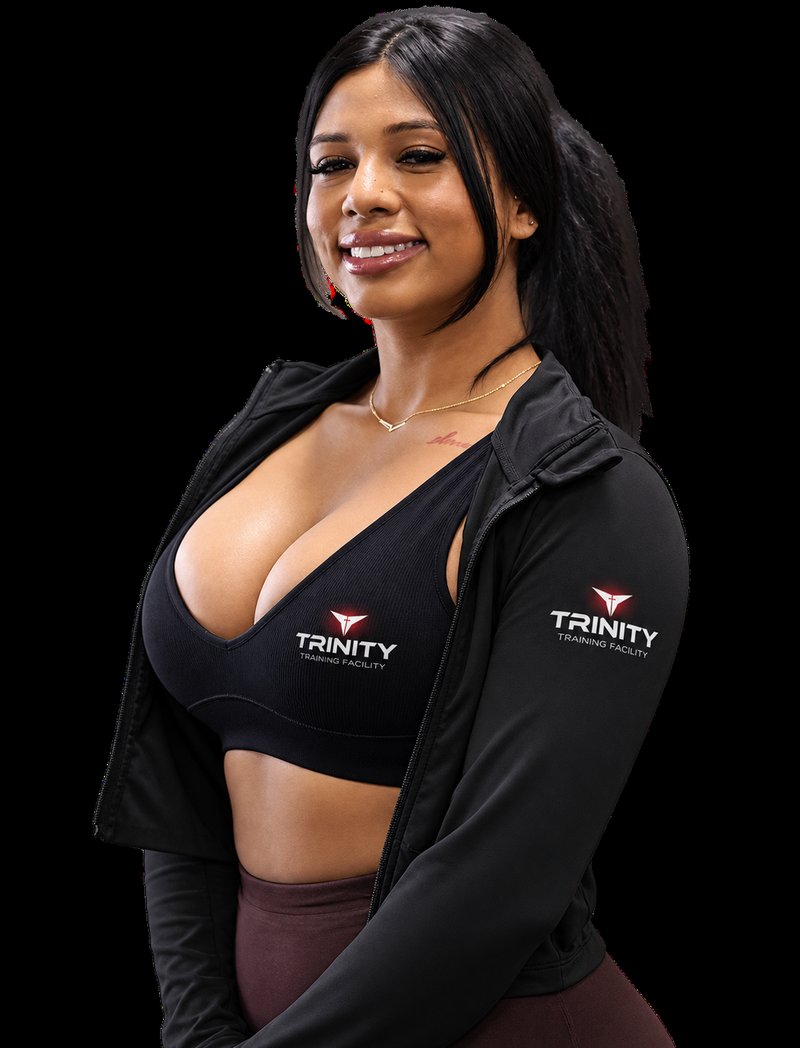
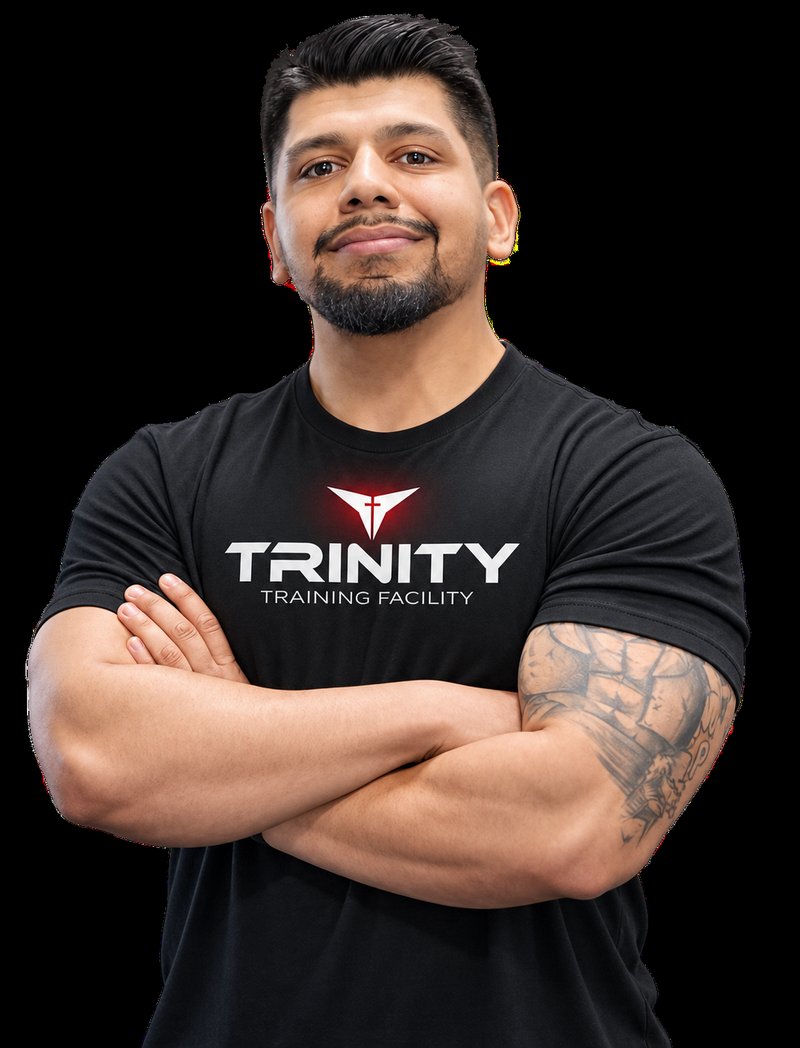
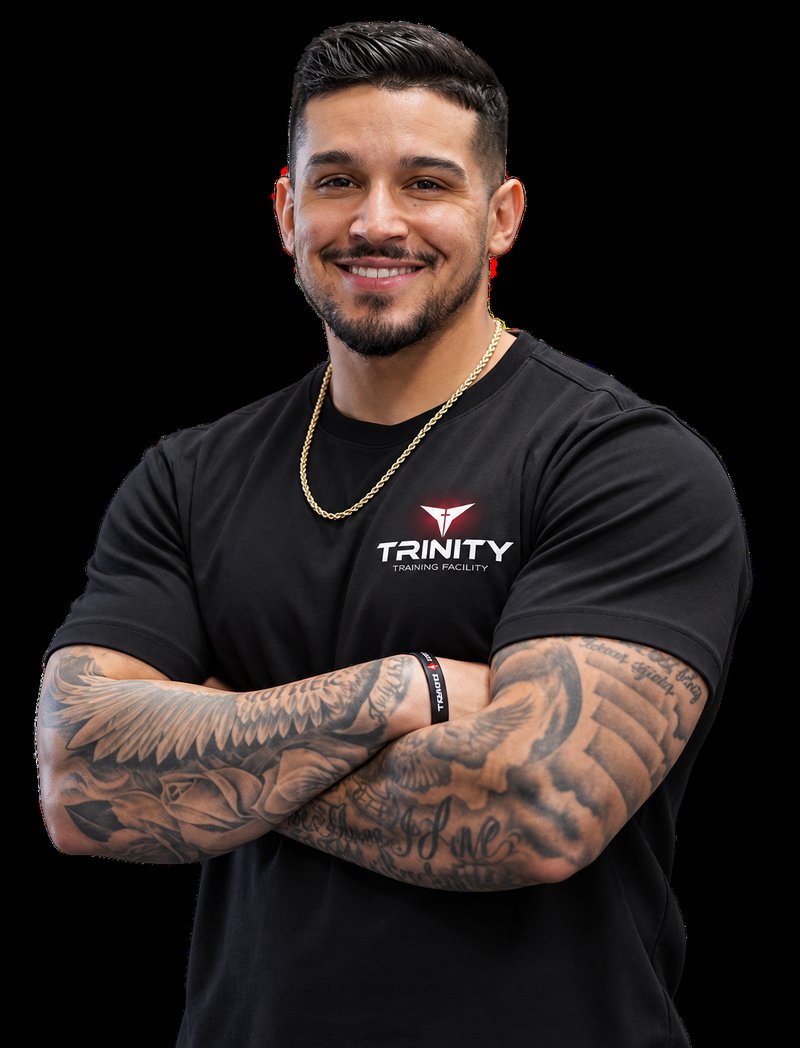
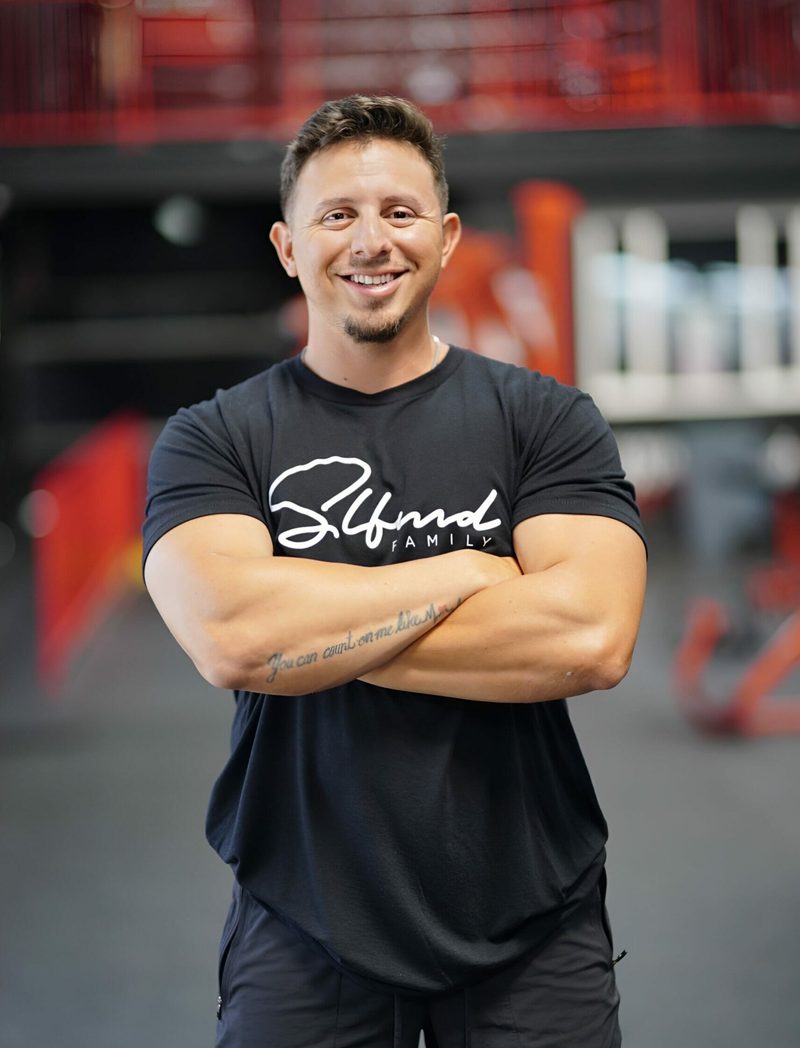
20 matched trainers
Mobility & Rehab trainers
at Trinity.












Related specialties
Also trained at Trinity.
Book your first session
Meet your mobility & rehab trainer.
Drop your info. We'll match you with the right Trinity trainer for your goals and schedule your first session at our 7,000 sq ft West Covina facility.
-
01 Are Trinity trainers physical therapists?
No. Trainers are certified personal trainers — many with corrective-exercise and pre/postnatal credentials — and they work in coordination with your PT, not in place of one. If you're not yet PT-discharged, we'll wait.
-
02 How do you coordinate with my physical therapist?
With your consent, your trainer will request notes from your PT or surgeon, ask about contraindications, and program around them. Several Trinity clients have PT-to-Trinity handoffs as their structured return-to-training pathway.
-
03 Do you work with seniors or older adults managing joint issues?
Yes. A meaningful portion of Trinity's client base is 50+, managing replaced joints, arthritis, or general age-related decline. Strength training is the single most effective intervention for those populations.
-
04 What's the difference between mobility work and stretching?
Stretching changes passive flexibility. Mobility work builds strength through that range — so the new range is something you can actually use, not just pose into.
-
05 Do mobility sessions include recovery work?
Yes — contrast protocols you can do at home, dedicated mobility blocks, and load management are programmed into your sessions or as standalone recovery days.
Trainers serving
Browse other specialties